

Sin categoría
Trade cryptocurrency
ASIC-mining. Dit staat voor application-specific integrated circuit (toepassingsspecifiek geïntegreerd circuit). Deze apparaten zijn gebouwd met als enige doel om bitcoin en andere cryptovaluta’s te minen. https://tahiti-fishing-center.com/ Deze hardware bestaat in verschillende vormen en sommige samenstellingen zijn veel duurder dan andere. Ze zijn vooral voordelig dankzij de uitzonderlijke rekenkracht die ze leveren en tegelijkertijd de elektriciteitskosten minimaliseren.
Based on a free market ideology, bitcoin was invented in 2008 by Satoshi Nakamoto, an unknown person. Use of bitcoin as a currency began in 2009, with the release of its open-source implementation. : ch. 1 In 2021, El Salvador adopted it as legal tender. It is mostly seen as an investment and has been described by many scholars as an economic bubble. As bitcoin is pseudonymous, its use by criminals has attracted the attention of regulators, leading to its ban by several countries as of 2021 .
Mobiele wallets zijn geweldig om een kleine hoeveelheid bitcoin te bewaren voor wanneer je onderweg bent en af en toe iets koopt, maar we bevelen aan om te vertrouwen op een geavanceerde hardware wallet voor het veilig opslaan van geld dat je niet dagelijks nodig hebt. We hebben een korte handleiding voor het veilig houden van je crypto met meer details en die vind je hier!
How does cryptocurrency work
It’s the way cryptocurrency networks like Bitcoin verify and confirm new transactions. It stops double spending without the need to trust centralized accounting as banks do. Cryptocurrency blockchains aren’t secured by trust or people. They are secured by math done by computers!
Recall that blockchains are distributed databases where all the transactions executed on a crypto network are recorded permanently. Every block of transactions is linked together chronologically in the order the transactions were validated.
The decentralised nature of cryptocurrencies eliminates the need for intermediaries, reducing the risk of censorship and control by centralised authorities. This can lead to more transparent and democratic financial systems.
How does one obtain or trade cryptocurrency? Cryptocurrency can be obtained most of the same ways other types of currencies can. You can exchange goods and services for cryptocurrency, trade dollars for cryptocurrencies, or trade cryptocurrencies for other cryptocurrencies. Trading is generally done via brokers and exchanges. Brokers are third parties that buy/sell cryptocurrency; exchanges are like online stock exchanges for cryptocurrency. One can also trade cryptocurrencies directly between peers. Peer-to-peer exchanges can be mediated by a third party or not. Please be aware that cryptocurrency prices tend to be volatile. One should ease into cryptocurrency investing and trading and be ready to lose everything they put in (especially if they invest in or trade alternative coins with lower market caps). See cryptocurrency investing tips.
A cryptocurrency is a digital or virtual currency secured by cryptography, which makes it nearly impossible to counterfeit or double-spend. Most cryptocurrencies exist on decentralized networks using blockchain technology—a distributed ledger enforced by a disparate network of computers.
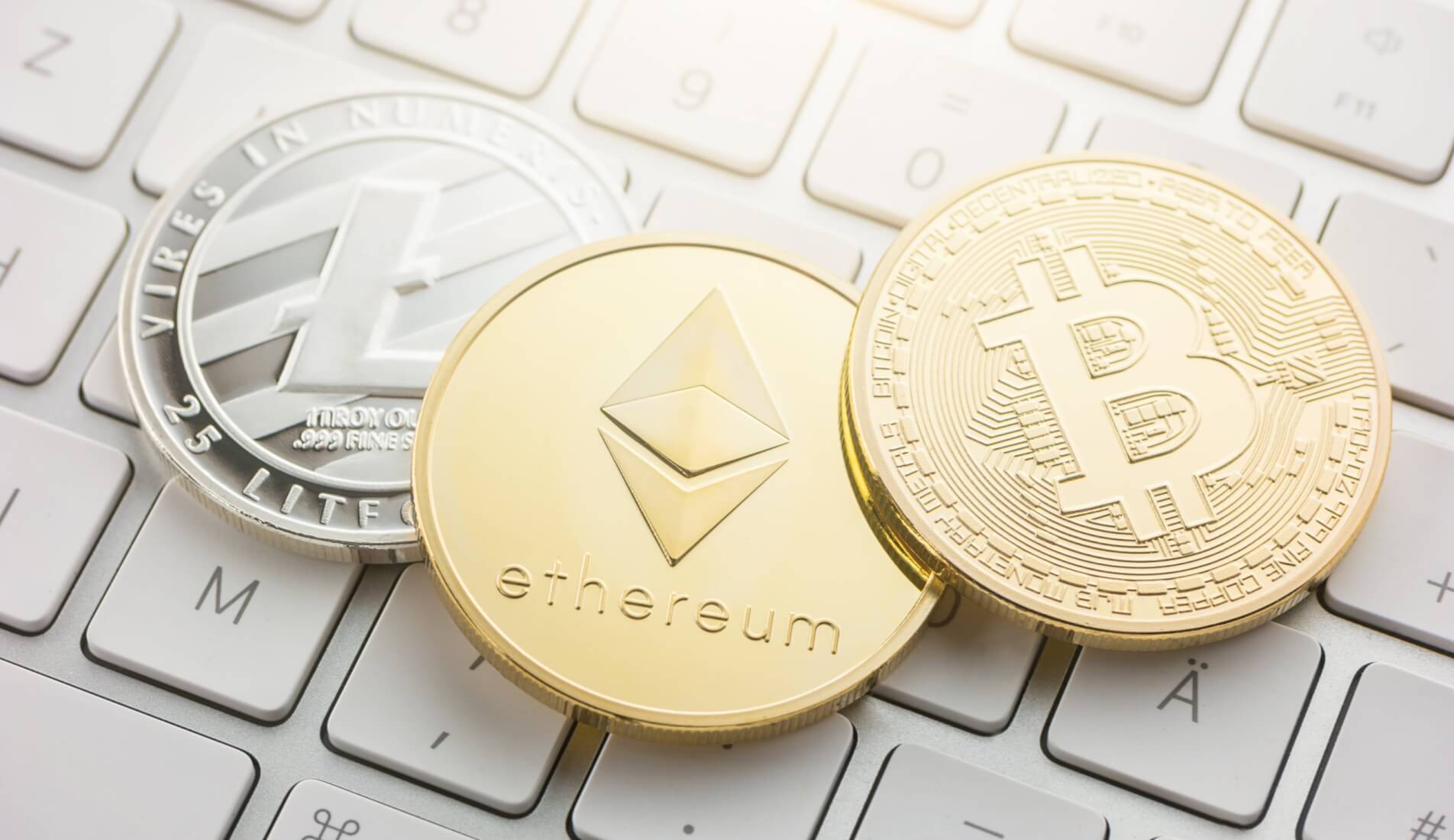
Cryptocurrency meaning
Cryptocurrencies have attracted a reputation as unstable investments due to high investor losses from scams, hacks, bugs, and volatility. Although the underlying cryptography and blockchain are generally secure, the technical complexity of using and storing crypto assets can be a significant hazard to new users.
A number of aid agencies have started accepting donations in cryptocurrencies, including UNICEF. Christopher Fabian, principal adviser at UNICEF Innovation, said the children’s fund would uphold donor protocols, meaning that people making donations online would have to pass checks before they were allowed to deposit funds.
As a result, most crypto holders have shifted their attention to the investment potential of cryptocurrencies, which has since birthed the speculative side of the crypto market. Investors seem to be more concerned about the possibility that the price of a cryptocurrency may rise sometime in the future than whether they can use cryptocurrencies to purchase goods and services, and so crypto is now predominantly viewed as an investment.
Cryptocurrencies were introduced with the intent to revolutionize financial infrastructure. As with every revolution, however, there are tradeoffs involved. At the current stage of development for cryptocurrencies, there are many differences between the theoretical ideal of a decentralized system with cryptocurrencies and its practical implementation.
Though they claim to be an anonymous form of transaction, cryptocurrencies are pseudonymous. They leave a digital trail that agencies like the Federal Bureau of Investigation (FBI) can follow. This opens up the possibility for governments, authorities, and others to track financial transactions.
Regulators in several countries have warned against cryptocurrency and some have taken measures to dissuade users. However, research in 2021 by the UK’s financial regulator suggests such warnings either went unheard, or were ignored. Fewer than one in 10 potential cryptocurrency buyers were aware of consumer warnings on the FCA website, and 12% of crypto users were not aware that their holdings were not protected by statutory compensation. Of 1,000 respondents between the ages of eighteen and forty, almost 70% wrongly assumed cryptocurrencies were regulated, 75% of younger crypto investors claimed to be driven by competition with friends and family, 58% said that social media enticed them to make high risk investments. The FCA recommends making use of its warning list, which flags unauthorized financial firms.